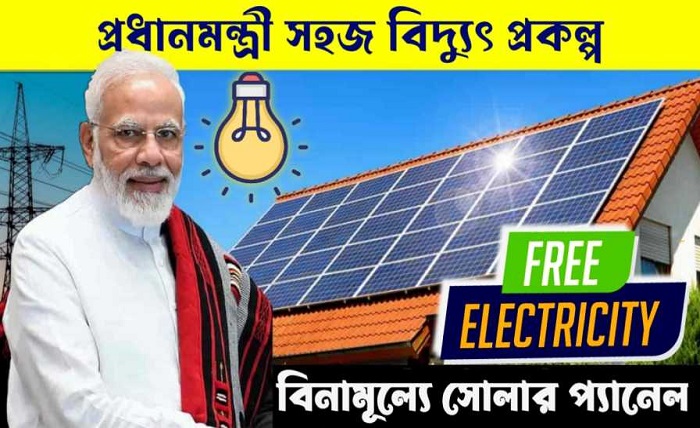
The concept of har ghar bijli represents a transformative vision aimed at ensuring that every household has access to reliable electricity. In many developing regions, har ghar bijli is more than just a policy—it is a promise of improved quality of life, economic development, and social empowerment. Access to electricity allows families to move beyond basic survival and embrace opportunities in education, health, and entrepreneurship. Governments and organizations have recognized that achieving har ghar bijli is essential for national growth and inclusive development.
Har Ghar Bijli and Rural Development
The impact of har ghar bijli on rural development is profound and far-reaching. Villages that once depended on kerosene lamps and manual labor are now witnessing significant changes due to har ghar bijli initiatives. Electrification supports agricultural advancements through irrigation systems, cold storage, and modern machinery. With har ghar bijli, farmers can increase productivity and reduce post-harvest losses. Additionally, small businesses in rural areas flourish when electricity becomes available, creating employment opportunities and reducing migration to urban centers.
Har Ghar Bijli: Boosting Education Opportunities
Education is one of the biggest beneficiaries of har ghar bijli. Students in electrified homes can study after sunset, access digital learning tools, and connect with global knowledge networks. The presence of har ghar bijli in schools ensures better infrastructure, including lighting, fans, and access to computers. This not only improves learning outcomes but also reduces dropout rates. By enabling access to information and technology, har ghar bijli bridges the educational gap between urban and rural populations.
Har Ghar Bijli and Healthcare Improvements
Healthcare systems also see significant improvements with the implementation of har ghar bijli. Hospitals and clinics require uninterrupted power for essential equipment such as ventilators, diagnostic machines, and refrigeration for medicines. With har ghar bijli, rural healthcare centers can operate more efficiently and provide better services. Emergency care becomes more reliable, and telemedicine services become feasible. Ultimately, har ghar bijli contributes to saving lives and improving overall public health.
Har Ghar Bijli: Driving Economic Growth
Economic growth is closely tied to the success of har ghar bijli initiatives. Industries, both small and large, rely heavily on electricity for production and operations. With har ghar bijli, entrepreneurs can start new ventures, from small shops to manufacturing units. The availability of power reduces operational costs and increases efficiency. Moreover, har ghar bijli attracts investments to previously underserved areas, fostering regional development and reducing economic disparities.
Har Ghar Bijli and Environmental Sustainability
While expanding access to electricity, har ghar bijli also emphasizes the importance of sustainability. Many programs promoting har ghar bijli incorporate renewable energy sources such as solar and wind power. This approach not only ensures long-term energy availability but also minimizes environmental impact. By integrating clean energy solutions, har ghar bijli contributes to reducing carbon emissions and combating climate change. Sustainable electrification ensures that future generations can continue to benefit from har ghar bijli without compromising the environment.
Challenges in Achieving Har Ghar Bijli
Despite its importance, achieving har ghar bijli comes with several challenges. Infrastructure development, especially in remote and difficult terrains, requires significant investment and planning. Maintaining consistent power supply is another hurdle in ensuring the success of har ghar bijli programs. Additionally, affordability remains a concern for low-income households. Governments must address these challenges through innovative solutions, subsidies, and public-private partnerships to make har ghar bijli a reality for all.
The Future of Har Ghar Bijli
The future of har ghar bijli looks promising as technology continues to evolve. Smart grids, energy storage systems, and decentralized power generation are paving the way for more efficient electrification. With continued investment and innovation, har ghar bijli can become a sustainable and resilient system. The integration of digital technologies will further enhance the impact of har ghar bijli, enabling better monitoring, management, and distribution of electricity. This forward-looking approach ensures that har ghar bijli remains a cornerstone of development.
Conclusion
In conclusion, har ghar bijli is a powerful initiative that has the potential to transform societies by providing universal access to electricity. From improving education and healthcare to driving economic growth and promoting sustainability, har ghar bijli touches every aspect of life. While challenges remain, the progress made so far demonstrates that achieving har ghar bijli is both possible and essential. By continuing to invest in infrastructure, innovation, and inclusive policies, nations can ensure that the benefits of har ghar bijli reach every household.
FAQs
1. What does har ghar bijli mean?
Har ghar bijli means providing electricity access to every household, ensuring no home is left without power.
2. Why is har ghar bijli important?
Har ghar bijli is important because it improves living standards, supports economic growth, and enhances education and healthcare services.
3. How does har ghar bijli benefit rural areas?
Har ghar bijli helps rural areas by enabling modern agriculture, supporting businesses, and improving overall quality of life.
4. Is har ghar bijli environmentally sustainable?
Yes, many har ghar bijli initiatives include renewable energy sources, making them environmentally sustainable.
5. What are the main challenges of har ghar bijli?
The main challenges of har ghar bijli include infrastructure development, affordability, and ensuring consistent power supply.