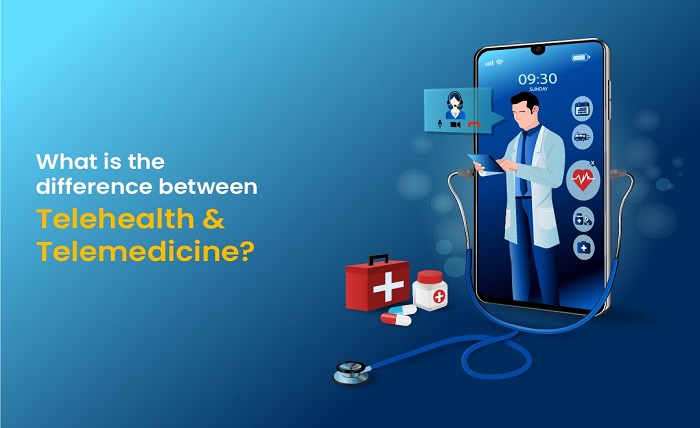
The Polish public healthcare system, much like its counterparts across Europe, stands at a critical juncture. Faced with an aging population, staff shortages, and long waiting times, the need for transformative change is urgent. Into this landscape step two powerful technologies: Telemedicine and Artificial Intelligence (AI). These innovations promise to revolutionize how medical services are delivered, offering a path to greater efficiency, accessibility, and quality of care. However, their full integration into Poland’s public sector comes with a unique set of organizational, financial, and digital challenges that must be addressed head-on.
The Digital Transformation of Polish Healthcare
The core of this digital shift lies in several successful nationwide e-health projects, which have dramatically changed the patient experience:
- Internet Patient Account (IKP): A free online application that gives patients secure access to their health information, including e-prescriptions, e-referrals, and medical records.
- E-Prescription and E-Referral: The mandatory digital format for prescriptions and referrals has streamlined dispensing, reduced errors, and optimized the time of both doctors and pharmacists.
- Teleconsultations: The implementation of standards for remote consultations, particularly in primary care, has increased the speed of access to general practitioners.
This ongoing digitalization is creating a vast pool of structured health data, which is the necessary fuel for the next wave of innovation: Artificial Intelligence. As the system moves from simple data digitization to advanced data analysis, the potential to alleviate systemic pressures grows. Interestingly, this focus on efficiency and digital solutions mirrors the strategic shifts seen in other highly regulated sectors. For instance, in the entertainment industry, platforms are always seeking to enhance user experience and engagement, such as a vulkan vegas promo code no deposit, which provides a risk-free entry point for new users to explore the offerings. Similarly, in healthcare, the ease of digital access (like IKP) aims to lower the barrier for patients interacting with the system, making services more accessible and less cumbersome. The following section delves into the practical applications of these technologies and the profound impact they are beginning to have on everyday medical practice.
The Role of AI in Enhancing Clinical Efficiency
Artificial Intelligence is poised to move beyond basic administrative tasks and become a genuine clinical partner, offering significant support to overworked medical personnel.
Practical applications of AI in the Polish public health context include:
- Diagnostic Support: AI algorithms can analyze medical images (like X-rays, CT, and MRI scans) with high accuracy, flagging potential anomalies for radiologists. This speed and precision can significantly reduce diagnostic waiting times for critical illnesses, such as cancer.
- Predictive Analytics: By analyzing patient data, AI can predict the likelihood of certain health events (e.g., hospital readmission or the onset of chronic diseases), allowing for proactive, preventative interventions.
- Administrative Relief: AI-powered voice bots and intelligent systems are being deployed to manage appointment scheduling, prescription refills, and other patient interactions, freeing up nurses and doctors to focus on direct patient care.
This integration requires careful regulatory oversight, but the potential for AI to dramatically shift the workload away from human staff is immense and directly addresses the critical issue of staff shortages.
Core Challenges to Full-Scale Adoption in Poland
Despite the clear benefits and initial successes, scaling telemedicine and AI across Poland’s diverse public healthcare environment presents formidable challenges. These barriers are multi-faceted, involving technology, finance, legislation, and human factors.
Funding and Infrastructure Gaps
One of the most persistent issues in Polish healthcare is underfunding. The low level of public health expenditure compared to the EU average makes financing large-scale, innovative IT infrastructure projects extremely difficult. Furthermore, a significant digital divide exists, particularly in rural and less affluent regions, where access to high-speed internet or the necessary end-user technology (like smartphones or tablets) may be limited, hindering effective telemedicine adoption.
Digital Competence and Trust
The successful implementation of new technology hinges on the buy-in and competence of its users—both medical staff and patients. A significant portion of the Polish population, particularly the elderly, still exhibits lower-than-average digital skills, making teleconsultations or IKP usage challenging. Among medical professionals, resistance to change or a lack of specific training in new AI-powered tools can slow adoption. Trust in data security and the accuracy of AI diagnoses also remains a psychological hurdle that needs proactive, transparent communication to overcome.
Empowering the Future of Polish Health
The integration of telemedicine and AI represents more than a technological upgrade; it is a fundamental shift in the operational model of Polish public healthcare. By tackling the persistent issues of underfunding, long queues, and staff shortages with smart, targeted digital solutions, Poland has the opportunity to build a more resilient, efficient, and patient-centric system. The groundwork is laid with e-prescriptions and IKP, but the next chapter—powered by advanced AI—requires courage, sustained investment, and a commitment to digital upskilling. By embracing this future, the nation can not only address its current challenges but also set a new standard for public health services in Central Europe.