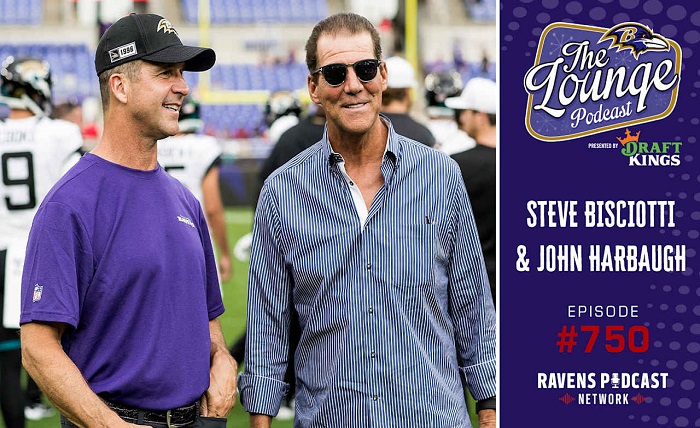
The NFL offseason began with one of the most consequential decisions in recent Ravens history: Baltimore Ravens owner Steve Bisciotti chose to part ways with head coach John Harbaugh after an 18-year tenure. That move not only ended one of the league’s most stable coaching runs but also signalled a new direction for a franchise built around quarterback Lamar Jackson and perennial expectations of winning. What unfolded reflects both the challenges the team faced in 2025 and the strategic vision Bisciotti has for the future.
The End of an Era: Harbaugh’s Departure
John Harbaugh’s time in Baltimore began in 2008, and over 18 seasons, he became one of the most respected coaches in the NFL. He guided the Ravens to multiple division titles, consistent playoff appearances, and a Super Bowl XLVII championship in 2013, defining an era of competitiveness and stability.
Despite that legacy, the 2025 season ended in disappointment. Baltimore finished 8–9 and missed the playoffs for the first time since 2021, culminating in a Week 18 loss to the Pittsburgh Steelers that kept the Ravens from clinching the AFC North. It was a disappointing outcome for a franchise that had been a constant presence on the playoff map.
In early January, Bisciotti informed Harbaugh of the decision to fire him via a phone call while Harbaugh was driving home from the team facility, sending betting markets crazy. Bisciotti later explained that, while difficult, the timing felt right after a season full of unmet expectations and internal evaluations. Harbaugh expressed disappointment but also gratitude for his time in Baltimore, emphasizing the relationships forged and the achievements earned over nearly two decades.
Why the Change Was Made
The decision stunned many around the league because Harbaugh’s overall record and reputation had been strong. Yet the 2025 season exposed inconsistencies on both sides of the ball. Offensive struggles, injuries, and blown leads marked the year, and internal tensions at times surfaced between offensive coordinator Todd Monken and Jackson, although Monken later said he did not view relations with Jackson as adversarial.
Sources also reported that roster concerns, situational performance, and the missed playoff opportunity contributed to Bisciotti’s decision. While no single moment defined the season, the cumulative setbacks—marked by unmet expectations for a team with a franchise quarterback and talent around him—led the owner to believe a fresh voice might be necessary to unlock future success.
Bisciotti’s Public Comments
In his first press conference since the firing, Bisciotti made clear that the decision was his alone and that it was the result of a thorough evaluation. He described it as one of the hardest decisions he has made as owner but insisted that seeking a new leader was the right move for the Ravens’ long-term goals. He expressed admiration for Harbaugh’s past success and acknowledged the pressure that comes with pursuing championships in today’s NFL.
Bisciotti also clarified that he would not dictate offensive or defensive identity for the next coach, leaving that choice open as the organization evaluates candidates. He emphasized his confidence in general manager Eric DeCosta to help guide the process and expressed his desire for a coach capable of winning at the highest level.
Lamar Jackson’s Role and Future
Amid all this change, one constant remains a central figure in Baltimore: Lamar Jackson. A two-time NFL MVP and the franchise’s marquee player, Jackson’s health and performance were major storylines in 2025, especially after he missed time due to a hamstring injury and posted solid but not elite statistics.
Bisciotti emphasized that Jackson is a priority for the franchise and that Baltimore wants him to remain the face of the team. The owner expressed interest in working toward a contract extension and involving Jackson in aspects of the hiring process for the new head coach, although Bisciotti made it clear that Jackson’s input would be valued but not decisive.
Given Jackson’s stature and skill set, securing his long-term future is central to the Ravens’ plans. Bisciotti and DeCosta appear to view Jackson as a cornerstone player around whom the next chapter of the franchise will be built.
Fan and League Reactions
The news of Harbaugh’s firing generated a wide range of reactions. A fan survey showed a notable shift in Ravens fan confidence, rising sharply after the decision was announced, with many supporters feeling that a change at head coach was overdue after a season that fell short of expectations. Opinions varied on the type of coach Baltimore should pursue next, reflecting the passionate fan base that has expected playoff runs and championships under Harbaugh’s leadership.
Elsewhere in the league, Harbaugh’s availability has immediately made him one of the most sought-after coaching candidates. Multiple teams are reportedly interested in interviewing him for vacancies, a testament to his reputation and track record of success. This rapid emergence in the coaching market underscores how respected he remains across the NFL.
What Comes Next
For the Ravens, 2026 represents a transitional year. A new head coach search is underway, and the organization faces decisions about roster construction, defensive identity, and maximizing Jackson’s prime years. Bisciotti, who has owned the team since 2004 and helped shape its culture and strategy for two decades, seems intent on doing everything in his power to ensure the franchise returns to contender status.
How the coaching search unfolds and how Jackson’s contract situation is resolved will likely define the Ravens’ direction for years to come. With Harbaugh’s legacy secure but his era closed, Baltimore enters a new phase filled with uncertainty, opportunity, and high expectations—not just from local fans but from across the NFL.